Posted by Albert Soto on 14th May 2021
Atomic Particle Colloidal Silver PPM Explained
Consumers should understand that Atomic Particle Colloidal Silver (APCS)
Consumers should understand that Atomic Particle Colloidal Silver (APCS) is fundamentally different from conventional nanoparticle colloidal silver products commonly sold in the marketplace. These differences are primarily related to particle size, physical behavior, and how concentration measurements are often misunderstood.
GoldenGevity utilizes a proprietary Atomic Particle Extraction Process, originally developed in the early 2000s, which is designed to produce colloidal solutions containing atomic-scale silver particles—significantly smaller than nanoparticles produced through traditional electrolysis-based colloidal silver methods.
While many colloidal silver products rely on century-old electrolysis techniques that generate solid metallic nanoparticles, APCS is engineered to exist at a much smaller scale, closer to individual atoms or atomic clusters associated with water molecules. This distinction is critical when discussing concentration, testing, and interpretation of safety data.
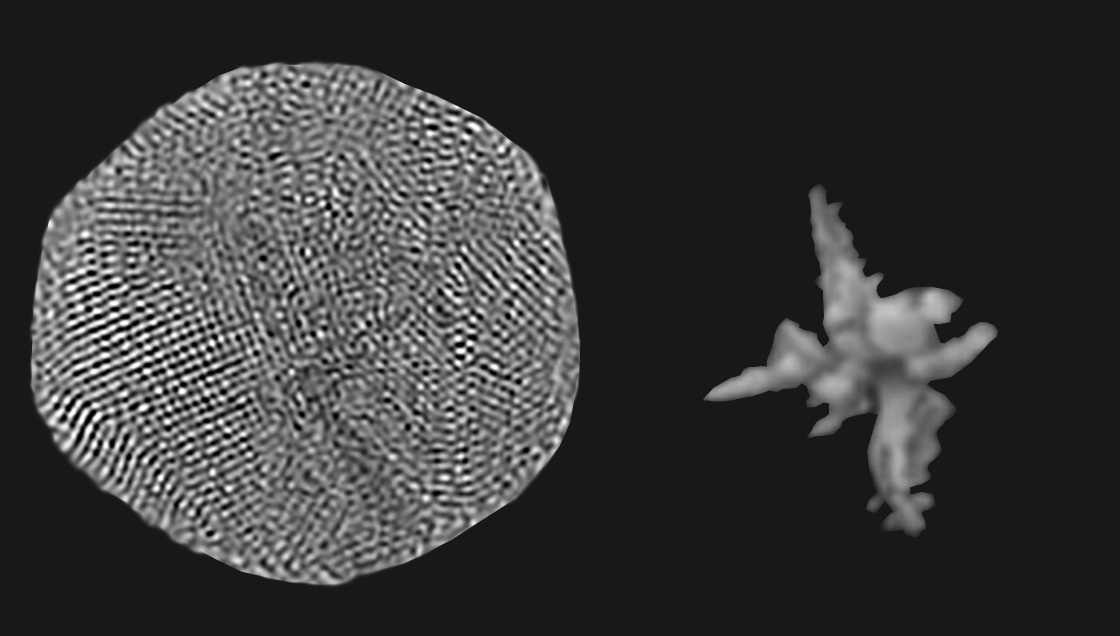
This 5 nm silver nanoparticle is estimated to contain 125,000 Silver Atoms.Image by Standford Univeristy.
Clarifying Regulatory and Scientific Context
Some publicly cited safety discussions—such as those associated with EPA CASRN 7440-22-4 (silver)—focus primarily on nanoparticle or metallic silver exposure, particularly at higher cumulative levels. These assessments are frequently misunderstood or broadly applied to all forms of colloidal silver without adequate differentiation between particle size, form, or physical behavior.
The EPA’s Reference Dose (RfD) for silver was derived from studies examining particulate silver exposure associated with argyria, a cosmetic skin discoloration condition. Importantly, these evaluations were not designed to assess atomic-scale silver particles, nor do they serve as blanket approvals or endorsements for ingestion of nanoparticle silver in any amount.
Ongoing toxicological research continues to examine how larger metallic silver particles behave in biological systems, including their potential to persist in tissues over time. Because of these uncertainties, particle size remains a key variable when evaluating silver-based materials.
Atomic Particle Colloidal Silver: A Distinct Physical Form
Here’s Why Atomic Colloidal Silver is Truly Unique! While metals in their atomic state are naturally neutral, that doesn’t mean Atomic Particle Colloidal Silver is ineffective—far from it! When a silver atom enters a biological environment, the surrounding chemistry strips away an electron, transforming the atom into an even smaller positively charged silver ion.
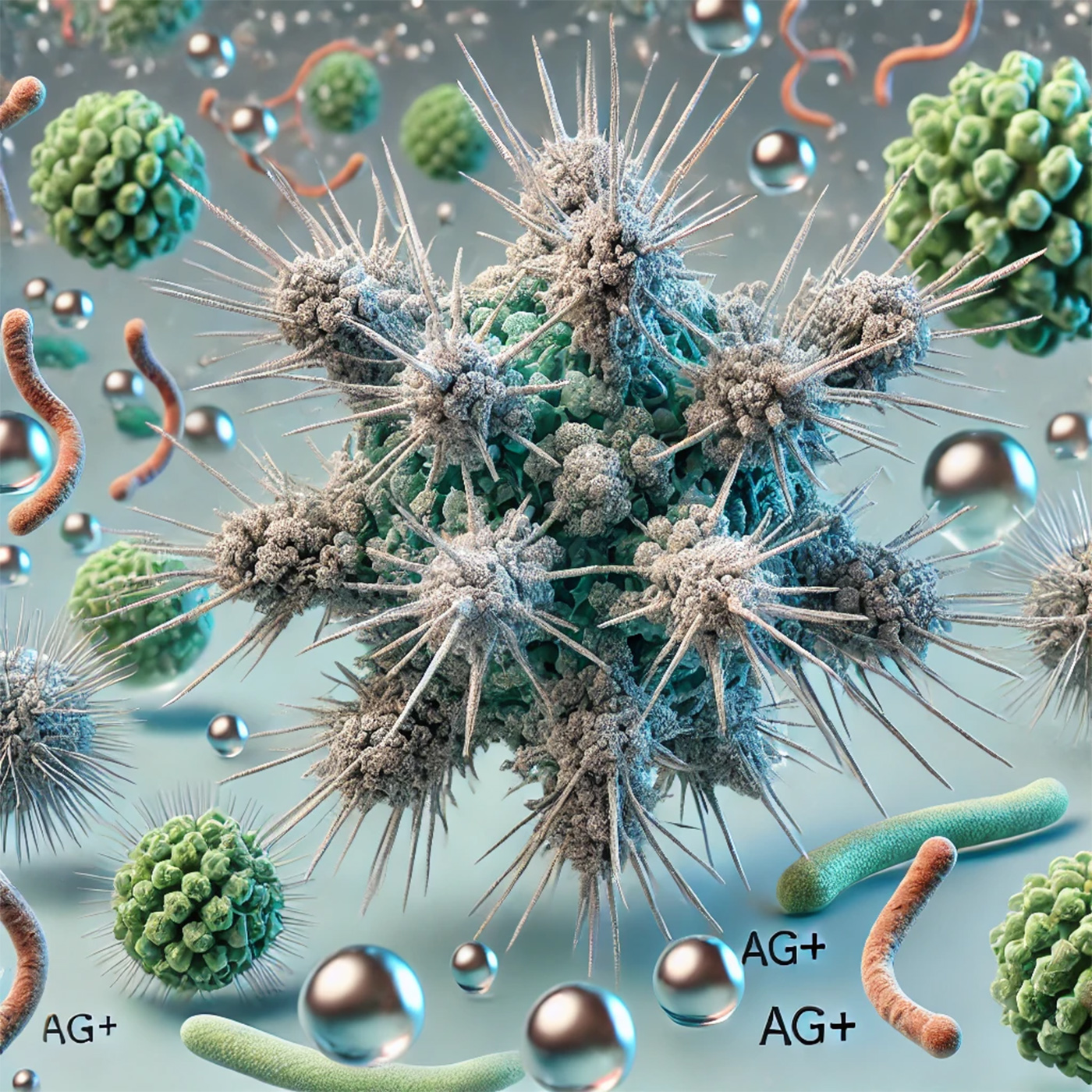
This positive charge is the secret weapon, as it’s the ionic silver’s electrical energy that targets and eliminates unwanted ‘anomalies’ in the body add to that the fact that Silver Atoms are in a crystal like state, with sharp points and edges that act similar to fiberglass.
The result? A powerhouse of precision and effectiveness at the atomic level!
DEFINING PPM (Part Per Million or Particles Per Million).
Sellers of Nanoparticle PPM also define PPM According to "their understanding" of nanoparticles since they do not know how to make atomic particle colloidal silver.
They are not actual inventors; so, they can only expound upon a 100-year-old electrolysis process (that is highly plagiarized btw) and try to equate and make comparisons based on their knowledge of nanoparticles.
The fact is that the FDA does not recognize "PPM" as certified mcg per dose. Instead, they consider it a "concentration," whether they be nanoparticles or Water Molecules saturated with silver atoms.
Many manufacturers of nanoparticle colloids deliberately spread misinformation, confusing consumers into believing that PPM (parts per million) represents the dosage amount. This is not true.
The Real Danger Lies in Particle Size. Silver nanoparticles can accumulate in vital organs like the kidneys, liver, pancreas, and even the skin—leading to a condition called argyria (skin discoloration) and other long-term health risks. These nanoparticles may build up silently over time, creating diseases that are rarely linked to nanoparticle toxicity by doctors. Furthermore, during digestion, hard metallic particles can react with chemicals in the body, causing harmful byproducts.
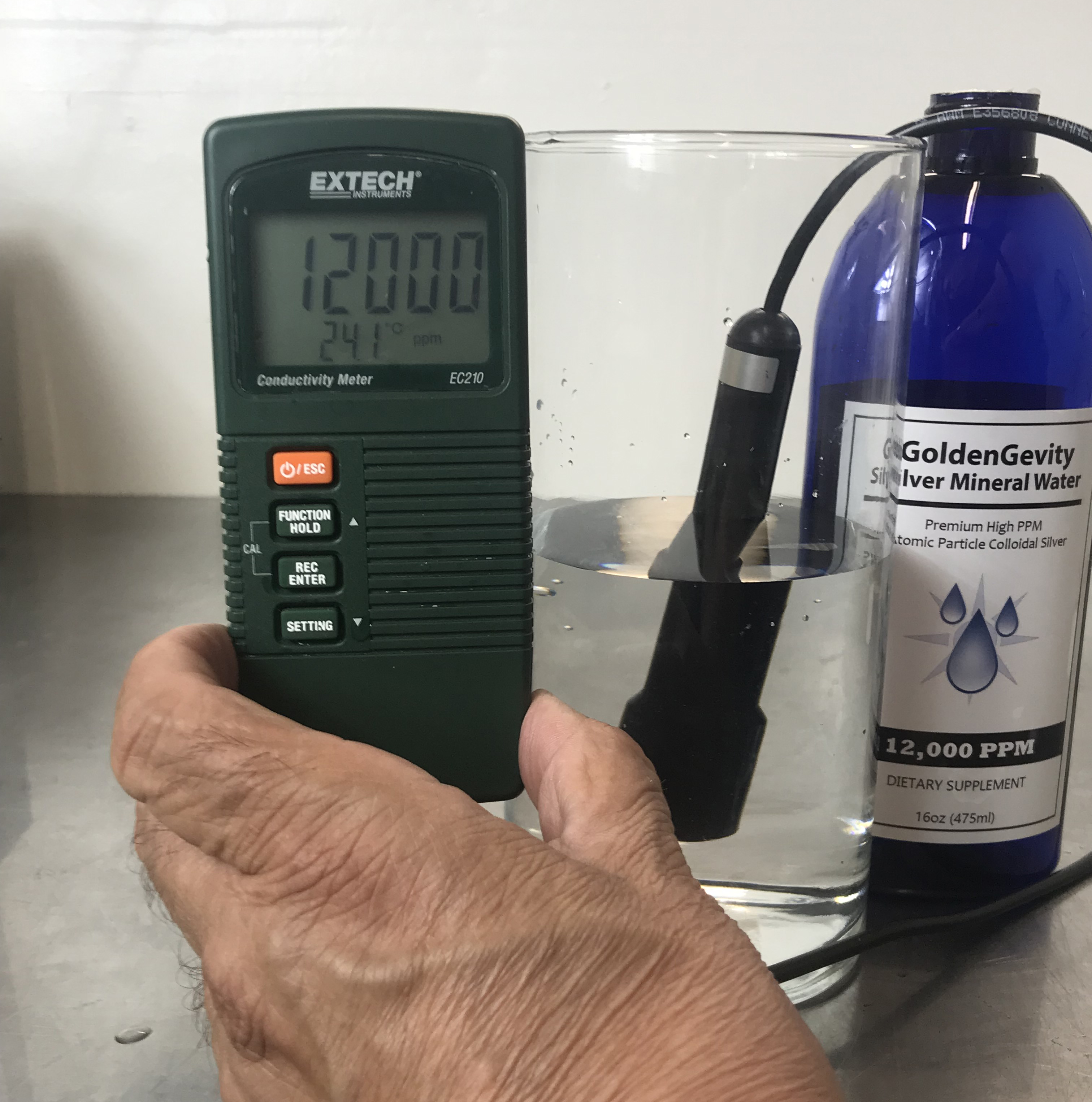
It's important to highlight that many sellers of so-called high-PPM nanoparticle colloidal silver—advertising values like 500, 1,100, 5,000, or even 10,000 PPM—are often misrepresenting their claims. When tested with a TDS (Total Dissolved Solids) meter, capable of measuring up to 60,000 PPM (like the one we use), their actual PPM readings typically fall between 150 and 400 PPM.
To justify these discrepancies, some sellers claim that TDS meters cannot measure such high PPM values—when, in reality, they absolutely can! Instead, these sellers often rely on a mathematical conversion based on the weight of their silver to calculate their PPM values, which doesn't reflect the true dissolved content. This approach overlooks the fact that their solutions often contain solid metallic particles suspended with the help of chemicals.
At GoldenGevity, we take a completely different approach. We never use any chemicals, herbal extracts, or additives—only pure silver and distilled water—ensuring the integrity and quality of our products.
Watch Out for Harmful Additives!
Some manufacturers use chemicals during production that can cause severe side effects, such as hair loss or premature graying.
How Are Atomic Particles Measured?
The EPA has developed a test capable of identifying atomic-sized particles, considered "trace minerals," by using an Inductively Coupled Plasma (ICP) test.
This test vaporizes solutions with a plasma arc, consolidating atoms into nanoparticles that can then be measured. However, this method is far from perfect—it can underestimate the actual amount of atomic particles because silver atoms often evaporate along with water molecules during the testing process.
Even with these limitations, we must rely on the laboratory-reported mcg (micrograms) for metals like gold and silver on our Certificates of Analysis. The reported values can vary depending on factors like the temperature of the plasma arc and whether the sample container was sealed. Sealed containers yield higher mcg values because fewer atoms escape during testing.
What Does This Mean for You? While our supplement labels reflect the safe mcg per dose based on lab tests, the actual number of atomic particles available may exceed these reported values. This makes our Atomic Colloidal Silver both effective and safe, offering a truly unique solution unlike nanoparticle colloids that pose significant KNOWN risks.
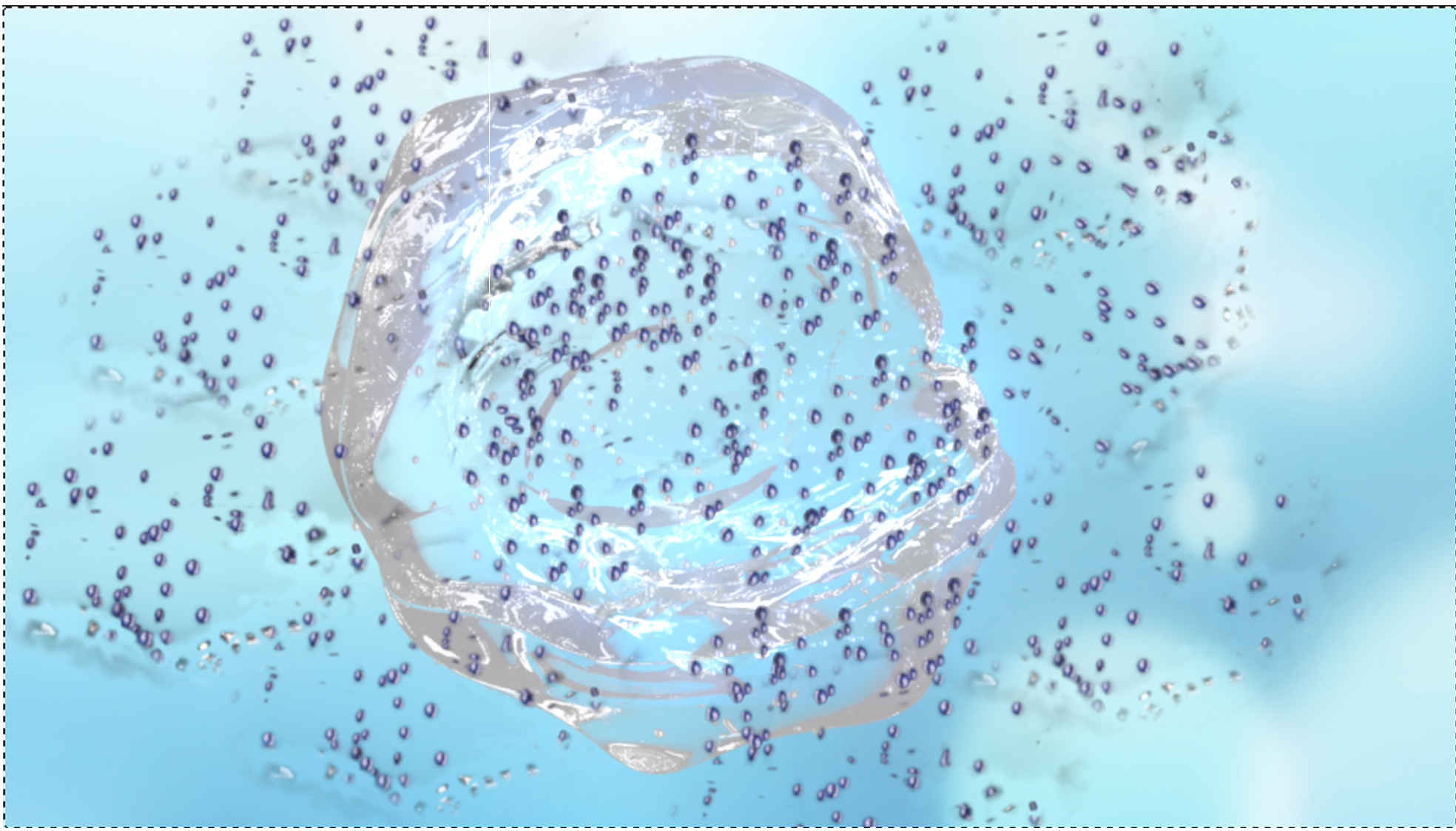
Please note: Theparticles in the images are not the actual size, they are blown up to demonstrate the concept of Atomic Particles in Distilled water.